
 통합검색
통합검색 로그인
로그인 회원가입
회원가입


인기도서
-
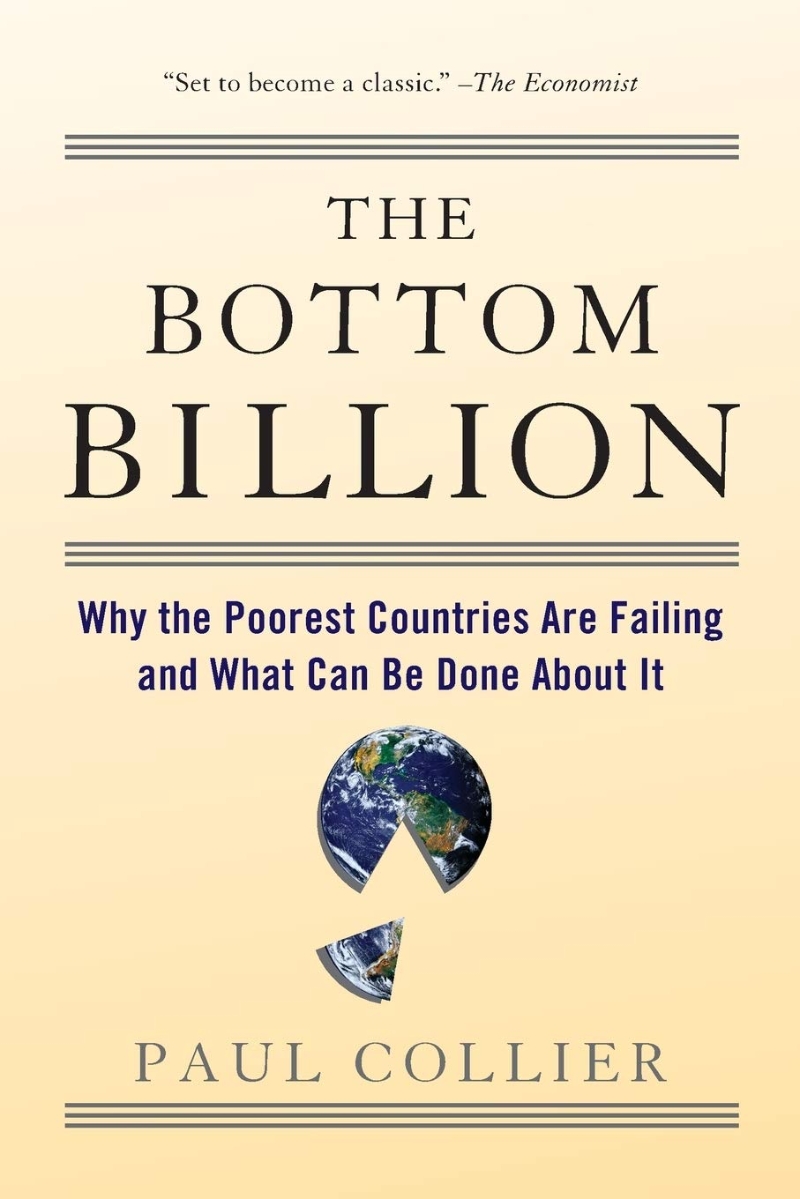
The bottom billion : why the poorest countries are failing and what can be done about it
발행연도 - 2007 / Paul Collier / Oxford University Press- 도서관 송도국제기구도서관
- 자료실 송도국제기구도서관
- 부록 부록없음
- 등록번호 SL0000000647
- ISBN 9780195373387
- 형태 xiii, 205 p. 25 cm.
- 한국십진분류 사회과학 > 경제학 > 경제정책
- 카테고리분류
 내 책장 담기
전체도서관 소장정보
| 자료실 | 대출상태 | 반납예정일 | 청구기호 | 등록번호 | 자료예약 | 상호대차 | 책마중 | 정보출력 |
|---|
In the universally acclaimed and award-winning The Bottom Billion, Paul Collier reveals that fifty failed states--home to the poorest one billion people on Earth--pose the central challenge of the developing world in the twenty-first century. The book shines much-needed light on this group of small nations, largely unnoticed by the industrialized West, that are dropping further and further behind the majority of the world's people, often falling into an absolute decline in living standards. A struggle rages within each of these nations between reformers and corrupt leaders--and the corrupt are winning. Collier analyzes the causes of failure, pointing to a set of traps that ensnare these countries, including civil war, a dependence on the extraction and export of natural resources, and bad governance. Standard solutions do not work, he writes; aid is often ineffective, and globalization can actually make matters worse, driving development to more stable nations. What the bottom billion need, Collier argues, is a bold new plan supported by the Group of Eight industrialized nations. If failed states are ever to be helped, the G8 will have to adopt preferential trade policies, new laws against corruption, new international charters, and even conduct carefully calibrated military interventions. Collier has spent a lifetime working to end global poverty. In The Bottom Billion, he offers real hope for solving one of the great humanitarian crises facing the world today."Set to become a classic. Crammed with statistical nuggets and common sense, his book should be compulsory reading."--The Economist"If Sachs seems too saintly and Easterly too cynical, then Collier is the authentic old Africa hand: he knows the terrain and has a keen ear.... If you've ever found yourself on one side or the other of those arguments--and who hasn't?--then you simply must read this book."--Niall Ferguson, The New York Times Book Review"Rich in both analysis and recommendations.... Read this book. You will learn much you do not know. It will also change the way you look at the tragedy of persistent poverty in a world of plenty."--Financial Times
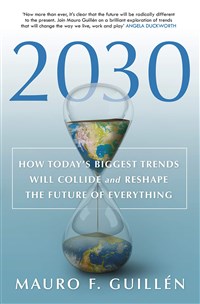 2030: how today's biggest trends will collide and reshape the future of everything
2020 / Mauro F. Guillén / Flint:
2030: how today's biggest trends will collide and reshape the future of everything
2020 / Mauro F. Guillén / Flint:
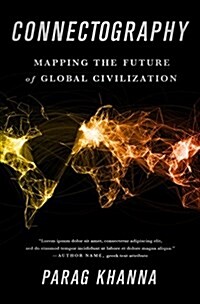 Connectography : mapping the future of global civilization
2016 / Parag Khanna / Random House
Connectography : mapping the future of global civilization
2016 / Parag Khanna / Random House
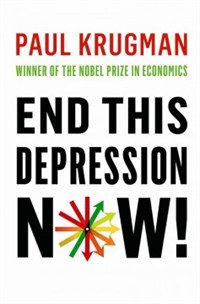 End This Depression Now!
2012 / by Paul Krugman / W W Norton & Co Inc
End This Depression Now!
2012 / by Paul Krugman / W W Norton & Co Inc
 (The) big nine: how the tech titans and their thinking machines could warp humanity
2019 / Amy Webb / PublicAffairs
(The) big nine: how the tech titans and their thinking machines could warp humanity
2019 / Amy Webb / PublicAffairs
 Cannibal capitalism: how our system is devouring democracy, care, and the planet - and what we can do about it
2022 / Nancy Fraser / Verso
Cannibal capitalism: how our system is devouring democracy, care, and the planet - and what we can do about it
2022 / Nancy Fraser / Verso
 Dismantling solidarity : capitalist politics and American pensions since the New Deal
2017 / Michael A. McCarthy / ILR Press
Dismantling solidarity : capitalist politics and American pensions since the New Deal
2017 / Michael A. McCarthy / ILR Press
 Underground Empire: How America Weaponized the World Economy
2024 / by Henry Farrell , Abraham Newman / Penguin Books Ltd
Underground Empire: How America Weaponized the World Economy
2024 / by Henry Farrell , Abraham Newman / Penguin Books Ltd
 The bottom billion : why the poorest countries are failing and what can be done about it
2007 / Paul Collier / Oxford University Press
The bottom billion : why the poorest countries are failing and what can be done about it
2007 / Paul Collier / Oxford University Press
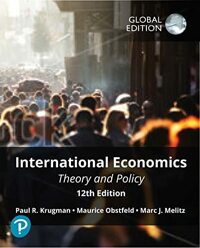 International economics: theory & policy
2023 / Paul R. Krugman, Maurice Obstfeld, Marc J. Melitz / Pearson
International economics: theory & policy
2023 / Paul R. Krugman, Maurice Obstfeld, Marc J. Melitz / Pearson
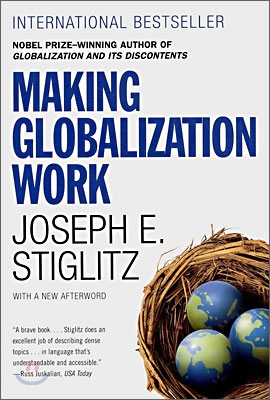 Making globalization work
2007 / Joseph E. Stiglitz / W.W. Norton & Co.
Making globalization work
2007 / Joseph E. Stiglitz / W.W. Norton & Co.
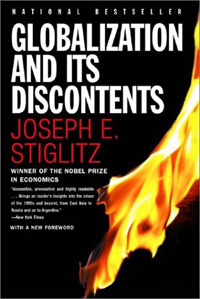 Globalization and its discontents
2003 / Joseph E. Stiglitz. / W.W. Norton
Globalization and its discontents
2003 / Joseph E. Stiglitz. / W.W. Norton
 The UN and global political economy : trade, finance, and development
2004 / John Toye ; Richard Toye / Indiana University Press
The UN and global political economy : trade, finance, and development
2004 / John Toye ; Richard Toye / Indiana University Press
 The Government and Politics of the European Union
2006 / Neill Nugent / Duke University Press
The Government and Politics of the European Union
2006 / Neill Nugent / Duke University Press
 (The) peacekeeping economy : using economic relationships to build a more peaceful, prosperous, and secure world
2013 / by Lloyd J. Dumas / Yale Univ
(The) peacekeeping economy : using economic relationships to build a more peaceful, prosperous, and secure world
2013 / by Lloyd J. Dumas / Yale Univ
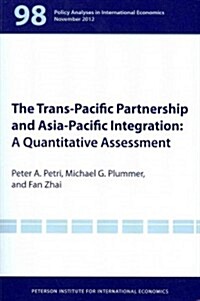 (The) trans-pacific partnership and Asia-pacific integration : a quantitative assessment
2012 / by Peter A. Petri ; Michael G. Plummer ; Fan Zhai / Peterson Institute for International Economics
(The) trans-pacific partnership and Asia-pacific integration : a quantitative assessment
2012 / by Peter A. Petri ; Michael G. Plummer ; Fan Zhai / Peterson Institute for International Economics
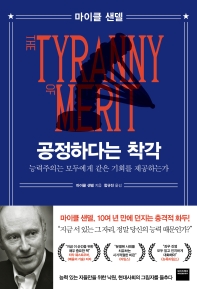 공정하다는 착각: 능력주의는 모두에게 같은 기회를 제공하는가
2020 / 지은이: 마이클 샌델 ; 옮긴이: 함규진 / 와이즈베리
공정하다는 착각: 능력주의는 모두에게 같은 기회를 제공하는가
2020 / 지은이: 마이클 샌델 ; 옮긴이: 함규진 / 와이즈베리
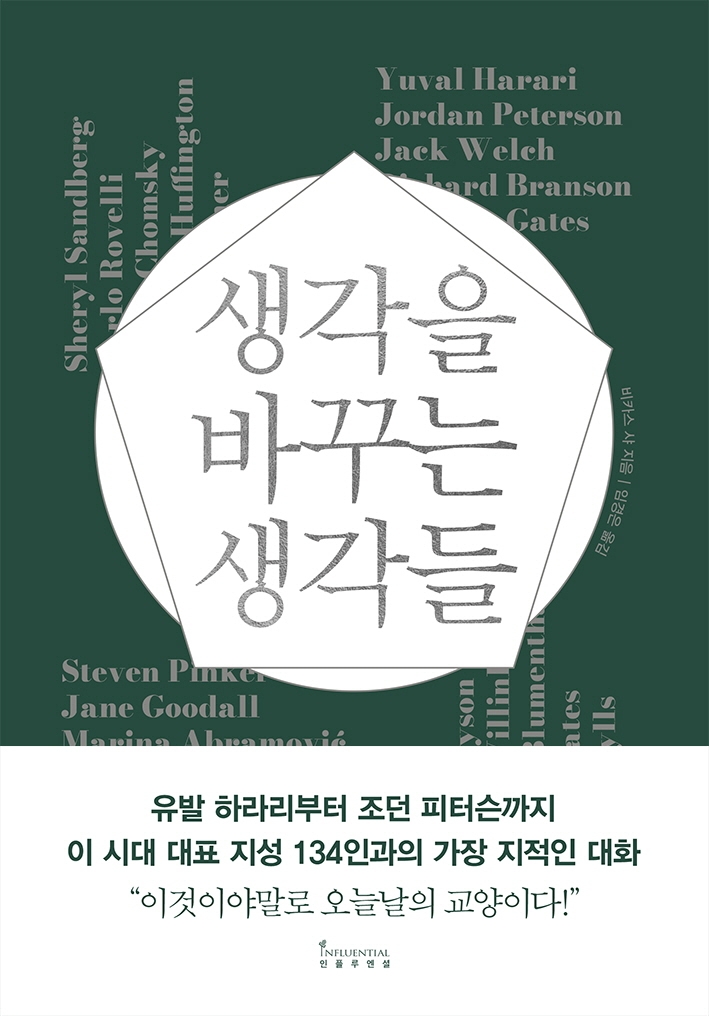 생각을 바꾸는 생각들
2021 / 지음: 비카스 샤 ; 옮김: 임경은 / 인플루엔셜
생각을 바꾸는 생각들
2021 / 지음: 비카스 샤 ; 옮김: 임경은 / 인플루엔셜
 21세기를 위한 21가지 제언 : 더 나은 오늘은 어떻게 가능한가
2018 / 지은이: 유발 하라리 ; 옮긴이: 전병근 / 김영사
21세기를 위한 21가지 제언 : 더 나은 오늘은 어떻게 가능한가
2018 / 지은이: 유발 하라리 ; 옮긴이: 전병근 / 김영사
 유엔을 말하다
2018 / 지은이: 장 지글러 ; 옮긴이: 이현웅 / 갈라파고스
유엔을 말하다
2018 / 지은이: 장 지글러 ; 옮긴이: 이현웅 / 갈라파고스
 엄마 무릎 학교 : 엄마의 사랑이 시작되는 순간
2014 / 하정연 지음 / 위고
엄마 무릎 학교 : 엄마의 사랑이 시작되는 순간
2014 / 하정연 지음 / 위고
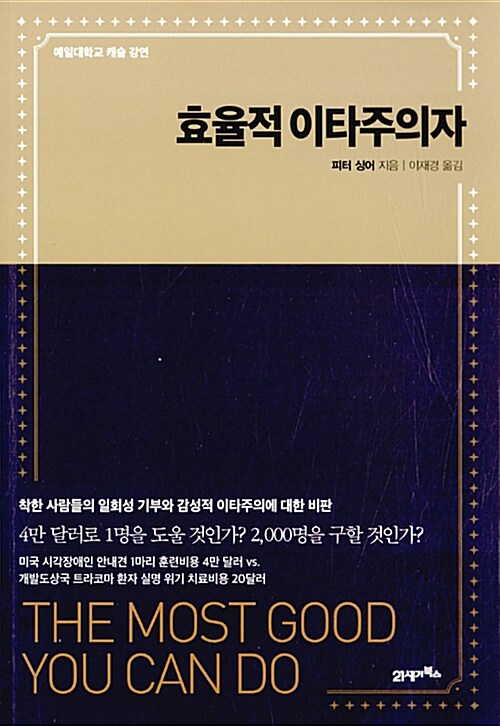 효율적 이타주의자 : 예일대학교 캐슬 강연
2016 / 지음: 피터 싱어 ; 옮김: 이재경 / 21세기북스(북이십일 21세기북스)
효율적 이타주의자 : 예일대학교 캐슬 강연
2016 / 지음: 피터 싱어 ; 옮김: 이재경 / 21세기북스(북이십일 21세기북스)
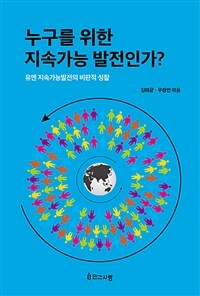 누구를 위한 지속가능발전인가? : 유엔 지속가능발전의 비판적 성찰
2023 / [공]엮음: 김태균, 우창빈 / 인간사랑
누구를 위한 지속가능발전인가? : 유엔 지속가능발전의 비판적 성찰
2023 / [공]엮음: 김태균, 우창빈 / 인간사랑
 위대한 개츠비
2013 / 지은이: F. 스콧 피츠제럴드 ; 옮긴이: 김석희 / 열림원
위대한 개츠비
2013 / 지은이: F. 스콧 피츠제럴드 ; 옮긴이: 김석희 / 열림원
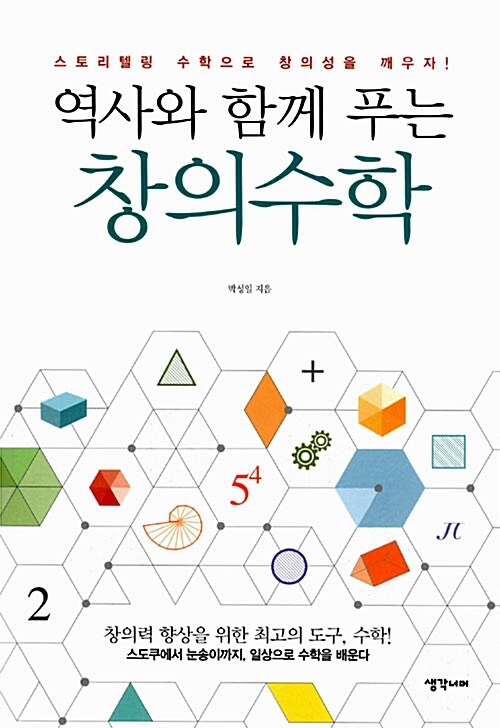 역사와 함께 푸는 창의수학
2013 / 박성일 지음 / 생각너머
역사와 함께 푸는 창의수학
2013 / 박성일 지음 / 생각너머
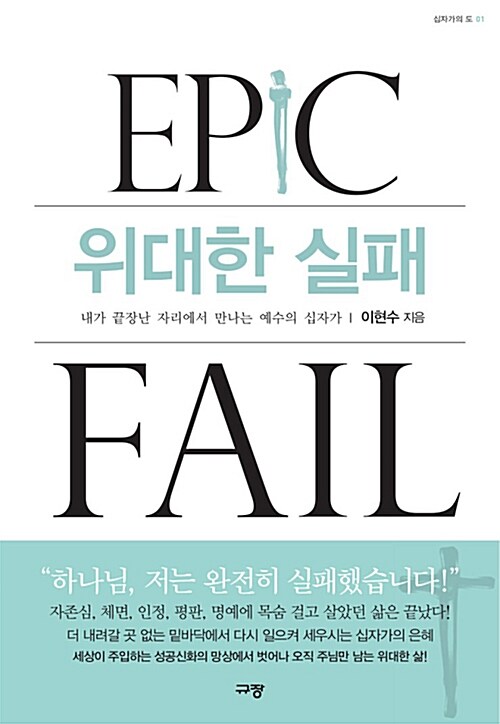 위대한 실패 = Epic fail : 내가 끝장난 자리에서 만나는 예수의 십자가
2016 / 이현수 / 규장
위대한 실패 = Epic fail : 내가 끝장난 자리에서 만나는 예수의 십자가
2016 / 이현수 / 규장
 위대한 경제학자들의 대담한 제안: 사상 최악의 불황을 극복하는 12가지 경제 이론
2020 / 린다 유 지음; 안세민 옮김 / 청림출판
위대한 경제학자들의 대담한 제안: 사상 최악의 불황을 극복하는 12가지 경제 이론
2020 / 린다 유 지음; 안세민 옮김 / 청림출판
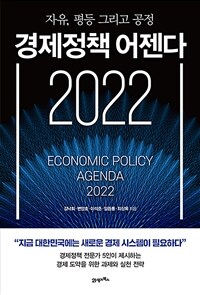 (자유, 평등 그리고 공정) 경제정책 어젠다 2022
2021 / 지음: 김낙회, 변양호, 이석준, 임종룡, 최상목 / 21세기북스:
(자유, 평등 그리고 공정) 경제정책 어젠다 2022
2021 / 지음: 김낙회, 변양호, 이석준, 임종룡, 최상목 / 21세기북스:
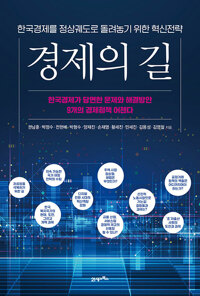 경제의 길 : 한국경제를 정상궤도로 돌려놓기 위한 혁신전략
2021 / [공]지음: 권남훈 , 박정수 , 전현배 , 박형수 , 양재진 , 손재영 , 황세진 , 민세진 , 김용성 , 김영철 / 21세기북스
경제의 길 : 한국경제를 정상궤도로 돌려놓기 위한 혁신전략
2021 / [공]지음: 권남훈 , 박정수 , 전현배 , 박형수 , 양재진 , 손재영 , 황세진 , 민세진 , 김용성 , 김영철 / 21세기북스
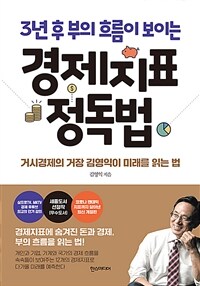 (3년 후 부의 흐름이 보이는) 경제지표 정독법
2022 / 지음: 김영익 / 한스미디어 :
(3년 후 부의 흐름이 보이는) 경제지표 정독법
2022 / 지음: 김영익 / 한스미디어 :
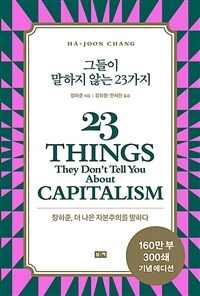 그들이 말하지 않는 23가지 : 장하준, 더 나은 자본주의를 말하다
2023 / 지음: 장하준 ; 옮김: 김희정, 안세민 / 부키
그들이 말하지 않는 23가지 : 장하준, 더 나은 자본주의를 말하다
2023 / 지음: 장하준 ; 옮김: 김희정, 안세민 / 부키
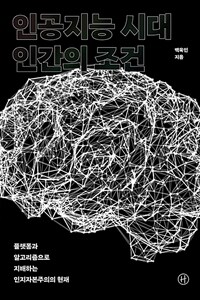 인공지능 시대 인간의 조건 : 플랫폼과 알고리즘으로 지배하는 인지자본주의의 현재
2023 / 지음: 백욱인 / 휴머니스트
인공지능 시대 인간의 조건 : 플랫폼과 알고리즘으로 지배하는 인지자본주의의 현재
2023 / 지음: 백욱인 / 휴머니스트
 자본의 역습 : 경제학적 상상과 비판
2022 / 지음: 고봉준 / 소소의책
자본의 역습 : 경제학적 상상과 비판
2022 / 지음: 고봉준 / 소소의책
 머물고 싶은 동네가 뜬다: 온라인이 대체할 수 없는 로컬 콘텐츠의 힘
2021 / 지음: 모종린 / 알키
머물고 싶은 동네가 뜬다: 온라인이 대체할 수 없는 로컬 콘텐츠의 힘
2021 / 지음: 모종린 / 알키
 차가운 자본주의
2023 / 지음: 윤루카스 / 라이즈
차가운 자본주의
2023 / 지음: 윤루카스 / 라이즈
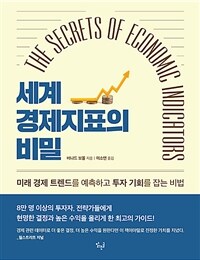 세계 경제지표의 비밀
2022 / 지음: 버나드 보몰; 옮김: 이소연 / 맑은글
세계 경제지표의 비밀
2022 / 지음: 버나드 보몰; 옮김: 이소연 / 맑은글
 자본주의는 당연하지 않다
2021 / 지음: 데이비드 하비 ; 옮김: 강윤혜 / 선순화
자본주의는 당연하지 않다
2021 / 지음: 데이비드 하비 ; 옮김: 강윤혜 / 선순화
 언더그라운드 엠파이어 : 미국이 글로벌경제를 무기화하는 법
2024 / 지음: 헨리 패럴 , 에이브러햄 뉴먼 ; 옮김: 박해진 / PADO북스 :
언더그라운드 엠파이어 : 미국이 글로벌경제를 무기화하는 법
2024 / 지음: 헨리 패럴 , 에이브러햄 뉴먼 ; 옮김: 박해진 / PADO북스 :
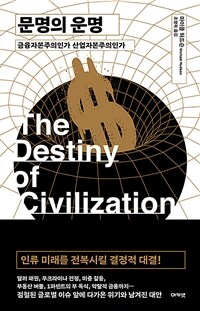 문명의 운명: 금융자본주의인가 산업자본주의인가
2023 / 지음: 마이클 허드슨; 옮김: 조행복 / 아카넷
문명의 운명: 금융자본주의인가 산업자본주의인가
2023 / 지음: 마이클 허드슨; 옮김: 조행복 / 아카넷
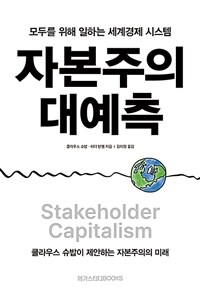 자본주의 대예측
2022 / 지음: 클라우스 슈밥, 피터 반햄 ; 옮김: 김미정 / 메가스터디books :
자본주의 대예측
2022 / 지음: 클라우스 슈밥, 피터 반햄 ; 옮김: 김미정 / 메가스터디books :
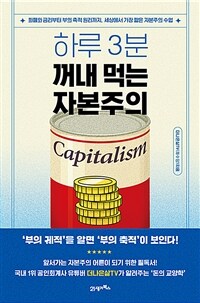 하루 3분, 꺼내 먹는 자본주의
2023 / 지음: 더나은삶TV(채수앙) / 21세기북스(북이십일 21세기북스)
하루 3분, 꺼내 먹는 자본주의
2023 / 지음: 더나은삶TV(채수앙) / 21세기북스(북이십일 21세기북스)
 모든 것들의 민영화 : 사라진 공공, 가난해진 국가, 그리고 시민 주권의 붕괴
2025 / [공]지음: 도널드 코언 , 앨런 미케일리언 ; 옮김: 김문주 / 북인어박스
모든 것들의 민영화 : 사라진 공공, 가난해진 국가, 그리고 시민 주권의 붕괴
2025 / [공]지음: 도널드 코언 , 앨런 미케일리언 ; 옮김: 김문주 / 북인어박스
주요 키워드
통계(나이)
| 나이 | 대출건수 |
|---|---|
| 10대 미만 | 0 |
| 10대 | 0 |
| 20대 | 0 |
| 30대 | 1 |
| 40대 | 3 |
| 50대 | 3 |
| 60대 | 0 |
| 70대 | 0 |
| 80대 | 0 |
| 90대 | 0 |
통계(연도)
| 연도 | 대출건수 |
|---|---|
| 2017년 | 0 |
| 2018년 | 0 |
| 2019년 | 0 |
| 2020년 | 0 |
| 2021년 | 0 |
| 2022년 | 0 |
| 2023년 | 0 |
| 2024년 | 6 |
| 2025년 | 0 |
| 2026년 | 0 |